
What Every Colorado Springs Business Owner Must Know Before a Commercial Roofing Project
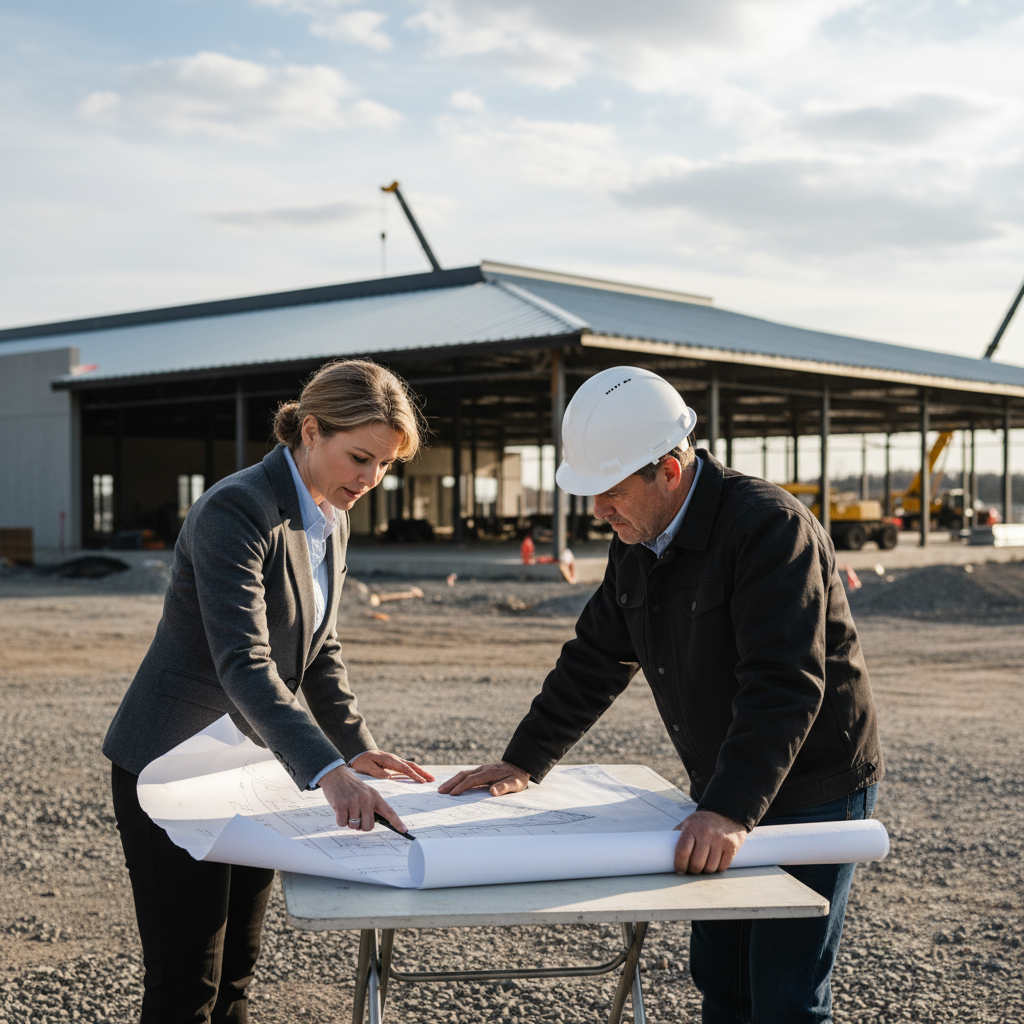
A commercial roofing project is one of the largest capital investments a building owner will make. Whether you operate a warehouse off Powers Boulevard, a retail strip along Academy, or an office complex near downtown Colorado Springs, the decisions you make before the first crew arrives on-site will determine whether your roof performs for decades or becomes a recurring headache.
Here is what you need to know before that project begins.
Choosing the Right Roofing System
Not every roofing system is suited to every building. The right choice depends on your roof’s slope, the structural load capacity, your budget, and the specific weather threats your property faces.
The most common commercial roofing systems in Colorado Springs include:
- TPO (Thermoplastic Polyolefin) — A single-ply membrane known for energy efficiency and strong seam welds. Excellent for flat and low-slope roofs.
- EPDM (Ethylene Propylene Diene Monomer) — A durable rubber membrane with a long track record. Cost-effective for large roof areas.
- Modified Bitumen — A multi-layer asphalt system that provides redundancy and performs well in temperature extremes.
- Metal Roofing — Ideal for sloped commercial structures. Handles heavy snow loads and resists hail impact better than many alternatives.
- Built-Up Roofing (BUR) — The traditional “tar and gravel” approach that still holds value for certain applications.
A qualified contractor will assess your building and recommend systems based on performance data, not just price. If someone quotes you a system without inspecting the deck, insulation, and drainage, that is a red flag.
Understanding the True Cost
Sticker shock is common in commercial roofing, but the lowest bid is rarely the best value. A comprehensive estimate should include:
- Tear-off and disposal (if replacing an existing roof)
- Deck inspection and repairs
- Insulation and vapor barriers
- Membrane or roofing material and installation labor
- Flashing, edge metal, and penetration details
- Warranty terms and coverage
In Colorado Springs, commercial roofing projects typically range from $5 to $12 per square foot for standard installations, though complex projects with significant structural work can exceed that range. The variables that drive cost upward include limited access, multiple penetrations (HVAC units, exhaust vents, skylights), and the condition of the existing substrate.
When evaluating proposals, compare them on a total-cost-of-ownership basis. A system that costs 15% more upfront but carries a 25-year warranty and lower maintenance requirements will almost always outperform a cheaper system that needs patching every three years.
Timeline Expectations
Commercial roofing projects do not happen overnight. A realistic timeline includes:
- Inspection and assessment — 1 to 2 weeks for a thorough evaluation and detailed proposal.
- Material procurement — 2 to 4 weeks depending on the system. Custom metal panels and specialty membranes may take longer.
- Permitting — 1 to 3 weeks through the Pikes Peak Regional Building Department.
- Installation — 1 to 4 weeks depending on roof size, system complexity, and weather.
Colorado Springs weather adds unpredictability. Spring hailstorms, afternoon thunderstorms in summer, and early-season snowfall in fall can all cause delays. An experienced local contractor builds weather contingencies into their schedule rather than promising aggressive timelines they cannot keep.
Permits and Code Compliance
Every commercial roofing project in El Paso County requires a building permit. The Pikes Peak Regional Building Department enforces the International Building Code, which governs everything from wind uplift resistance to insulation R-values.
Key requirements to be aware of:
- Energy code compliance — Colorado’s energy code may require you to add insulation when replacing a roof, even if the existing insulation met code at the time of original construction.
- Fire ratings — Depending on your building’s use and construction type, your roofing assembly may need to meet specific fire resistance ratings.
- Wind uplift — Colorado Springs regularly experiences high winds, particularly along the I-25 corridor and near the base of the foothills. Your roofing system must be rated for the wind speeds designated in your building’s wind zone.
A reputable contractor handles the permitting process and ensures the finished installation passes inspection. If a contractor suggests skipping the permit to save money, walk away.
Questions to Ask Before Signing a Contract
Before committing to a contractor, ask these questions:
- Are you licensed and insured in El Paso County? Verify their general liability and workers’ compensation coverage.
- Can you provide references from commercial projects in Colorado Springs? Local experience matters because local weather demands specific expertise.
- What warranty do you offer, and what does it actually cover? Distinguish between manufacturer material warranties and contractor workmanship warranties.
- Who will be the on-site project manager? You want a single point of contact who is present during critical phases of installation.
- How do you handle change orders? Unexpected conditions (rotted decking, hidden moisture damage) are common. Know the process for addressing them before they arise.
- What is your safety record? Commercial roofing is inherently dangerous work. A contractor with a strong safety program protects your liability as well as their crew.
Colorado-Specific Considerations
Colorado Springs presents a unique combination of roofing challenges that contractors in other markets simply do not face:
- UV exposure — At over 6,000 feet of elevation, UV radiation is significantly more intense than at sea level. This accelerates degradation of roofing membranes and coatings, making UV-resistant materials essential.
- Hail — The Front Range is one of the most hail-prone regions in the country. Impact-resistant systems and proper insurance documentation are critical.
- Freeze-thaw cycles — Colorado Springs can swing 40 to 50 degrees in a single day. These temperature swings stress roofing materials, adhesives, and sealants. Systems with strong thermal cycling performance are a must.
- Snow load — While Colorado Springs receives moderate snowfall compared to the mountains, drifting snow against parapet walls and around rooftop equipment can create concentrated loads that exceed design specifications if not properly accounted for.
- Wind — Sustained winds of 30 to 50 mph and gusts exceeding 80 mph are not unusual, particularly in winter and spring. Proper fastening patterns and edge securement are non-negotiable.
New Installation vs. Replacement
If your building is under construction or you are adding a new structure, a new commercial roof installation gives you the advantage of selecting the optimal system from the start with no compromise.
If you are dealing with an aging or failing roof, a commercial roof replacement involves additional considerations like tear-off, deck assessment, and potentially upgrading insulation to meet current energy codes. Replacement projects benefit from a contractor who can evaluate whether a full tear-off is necessary or whether a recover (installing a new membrane over the existing one) is a viable and code-compliant option.
Start With a Professional Assessment
The best commercial roofing projects start well before any material is ordered. They begin with a thorough evaluation of your building, your operational needs, and your long-term ownership plans.
If you are considering a roofing project for your Colorado Springs commercial property, request a no-obligation estimate from our team. We will inspect your roof, explain your options in plain terms, and provide a detailed proposal so you can make a confident, informed decision.