
Single-Ply Roofing in Colorado Springs, CO
Single-ply roofing membranes are the most widely installed commercial roofing systems in the United States — and for good reason. Elevation Commercial Roofing installs TPO, PVC, and EPDM single-ply systems that deliver proven weather protection, energy efficiency, and long-term durability for commercial buildings across Colorado Springs and the Front Range.
Why Choose Elevation for Single-Ply Roofing
Proven Performance
Single-ply membranes have decades of proven performance on commercial buildings nationwide. They're engineered for UV resistance, chemical resistance, and long-term dimensional stability.
Energy Efficiency
White and light-colored TPO and PVC membranes are highly reflective, significantly reducing cooling costs — especially valuable in Colorado where summer UV intensity is extreme at altitude.
Multiple System Options
We install TPO for cost-effective reflective performance, PVC for superior chemical resistance, and EPDM for proven long-term durability. We help you choose the best fit for your building.
Manufacturer Warranties
As certified installers for leading single-ply manufacturers, we provide comprehensive manufacturer warranties covering both materials and labor for up to 30 years.
Service Details
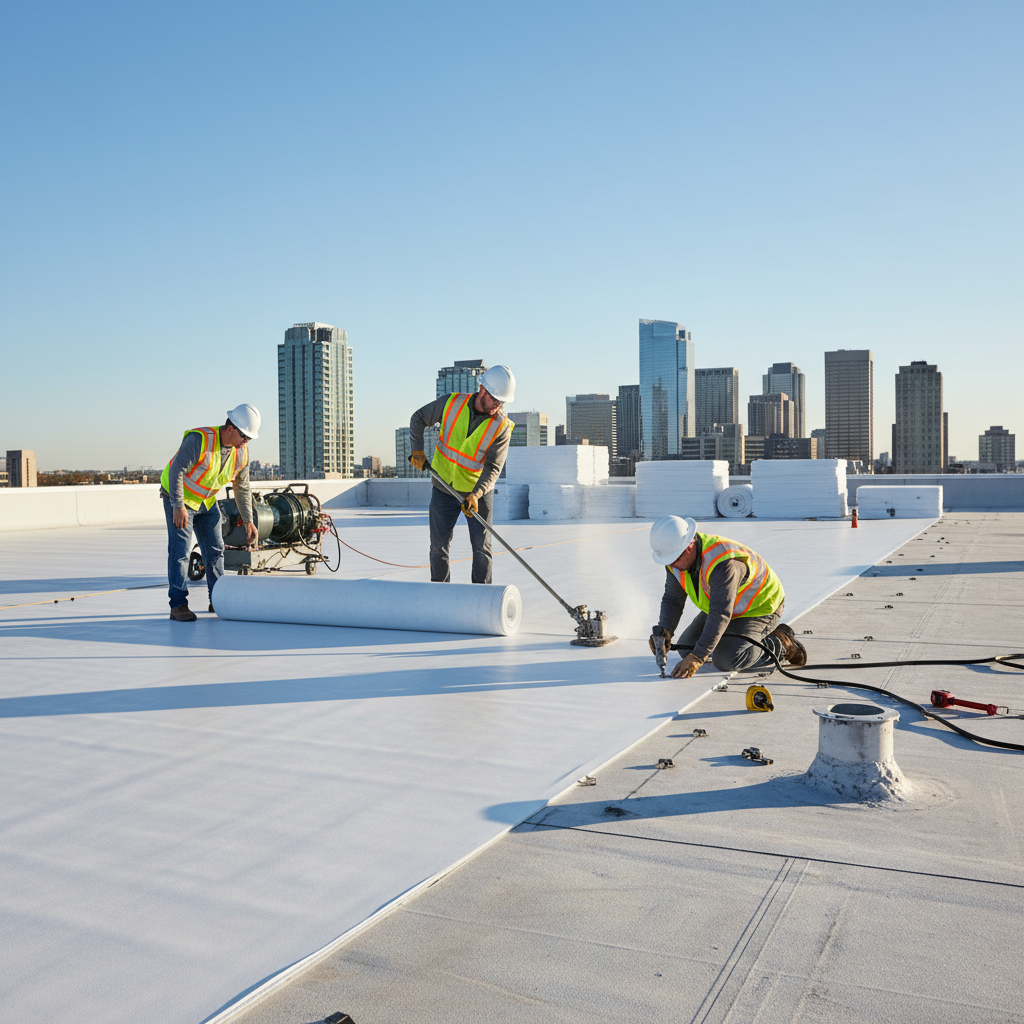
Single-ply roofing membranes are factory-manufactured sheets of synthetic material that are installed in a single layer over insulation on commercial flat and low-slope roofs. The three primary single-ply systems each offer distinct advantages:
**TPO (Thermoplastic Polyolefin):** The most popular commercial roofing membrane in the U.S., TPO combines energy-efficient reflectivity with cost-effectiveness. TPO seams are heat-welded, creating bonds stronger than the membrane itself. It resists UV, ozone, and algae growth, and is available in white, tan, and gray.
**PVC (Polyvinyl Chloride):** PVC membranes excel in chemical resistance, making them ideal for buildings with rooftop grease exhaust (restaurants, food processing) or chemical exposure. PVC is also heat-welded and offers excellent fire resistance and long-term dimensional stability.
**EPDM (Ethylene Propylene Diene Monomer):** A synthetic rubber membrane with a 50+ year track record, EPDM is known for its exceptional weather resistance and flexibility in extreme cold — a significant advantage in Colorado winters. Available in black or white, EPDM is typically adhesive or mechanically attached.
Our single-ply installation process includes removal of existing roofing (if required), installation of insulation and cover board, membrane installation using the appropriate attachment method (mechanically attached, fully adhered, or ballasted), heat-welded or adhesive seaming, and detailed flashing and edge work.
All installations follow manufacturer specifications precisely, ensuring full warranty coverage and long-term performance.
Benefits
- Proven, industry-standard roofing systems with decades of documented performance
- Energy-efficient reflective surfaces reduce cooling costs by 10-30% or more
- Heat-welded seams (TPO/PVC) create bonds stronger than the membrane — virtually eliminating seam leaks
- Manufacturer warranties of up to 30 years covering materials and labor
- Lightweight — adds minimal structural load, suitable for nearly any commercial building
- Wide range of options to match your building's specific requirements and budget
Service Areas
We provide single-ply roofing services across Colorado Springs and the Front Range, including Castle Rock, Fort Carson, Monument, Pueblo, Woodland Park, and Denver.
Related Services
Single-Ply Roofing — Frequently Asked Questions
What's the difference between TPO, PVC, and EPDM?
TPO is the most cost-effective reflective option, ideal for most commercial applications. PVC offers superior chemical resistance — best for restaurants and buildings with chemical exposure. EPDM is a proven rubber membrane that excels in extreme cold flexibility and has a 50+ year track record. We'll recommend the best option based on your building's specific needs.
How long does a single-ply roof last?
Single-ply roofing systems typically last 20-30 years with proper maintenance. Some EPDM installations have exceeded 40 years. Lifespan depends on membrane type, installation quality, maintenance, and environmental exposure. In Colorado, UV intensity is a key factor — white reflective membranes tend to resist UV degradation better than darker materials.
Is single-ply roofing energy efficient?
Yes, especially white TPO and PVC membranes. These highly reflective surfaces can reduce roof surface temperature by up to 80°F on hot days, directly lowering cooling costs. Many single-ply systems meet ENERGY STAR requirements and can contribute to LEED certification. In Colorado's altitude with intense summer UV, reflective roofing provides significant energy savings.
Can you install single-ply roofing over an existing roof?
In many cases, yes. If the existing roof and insulation are in acceptable condition and building codes allow it, a new single-ply membrane can be installed as a recover over the existing system. This reduces tear-off costs and project timeline. We'll assess whether a recover is appropriate during our inspection.
How are single-ply roofing seams joined?
TPO and PVC membranes are heat-welded using specialized equipment that fuses the overlapping membrane sheets into a single, homogeneous bond. These welds are actually stronger than the membrane itself. EPDM membranes use adhesive or tape-applied seaming methods. All seaming methods are tested during installation to verify bond strength.
Protect Your Commercial Roof Today
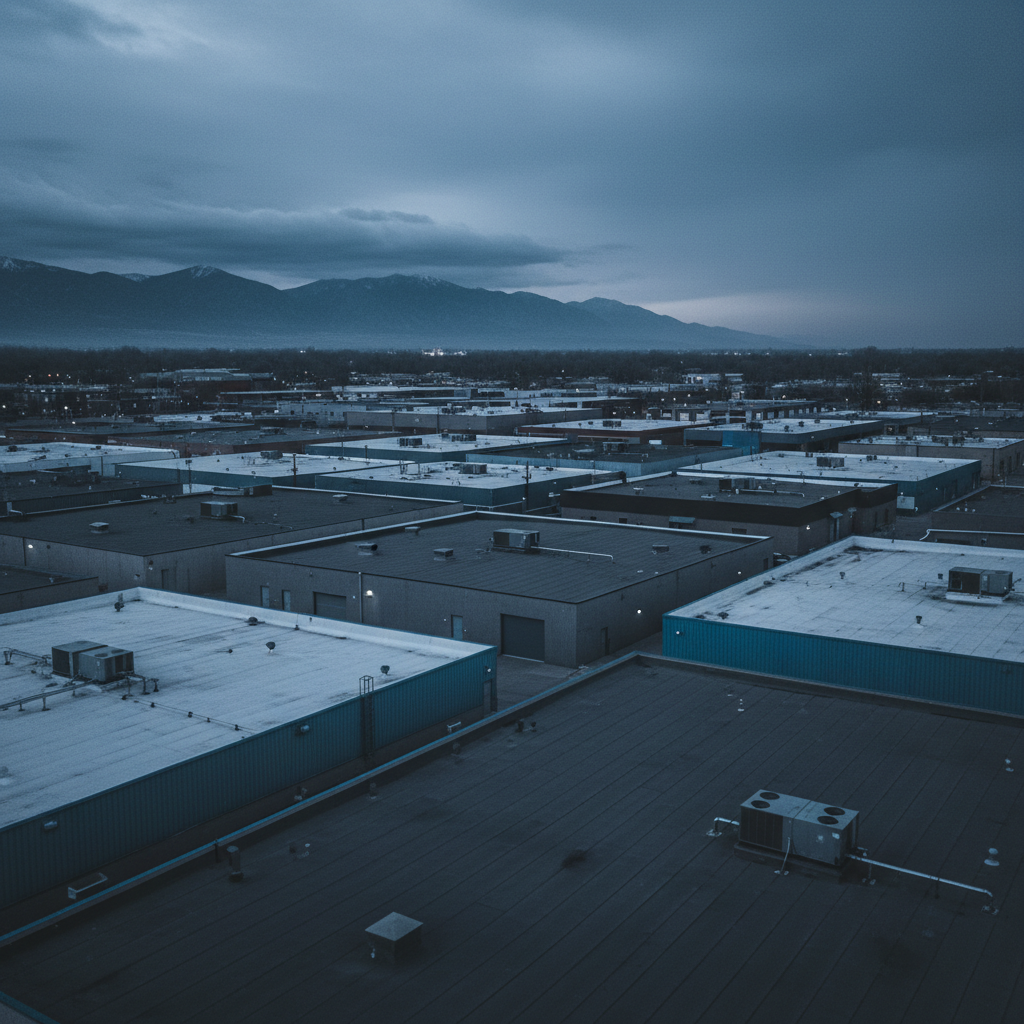
Contact Elevation Commercial Roofing for expert single-ply roofing in Colorado Springs and across the Front Range. Call (719) 351-9022 or request your free estimate online.